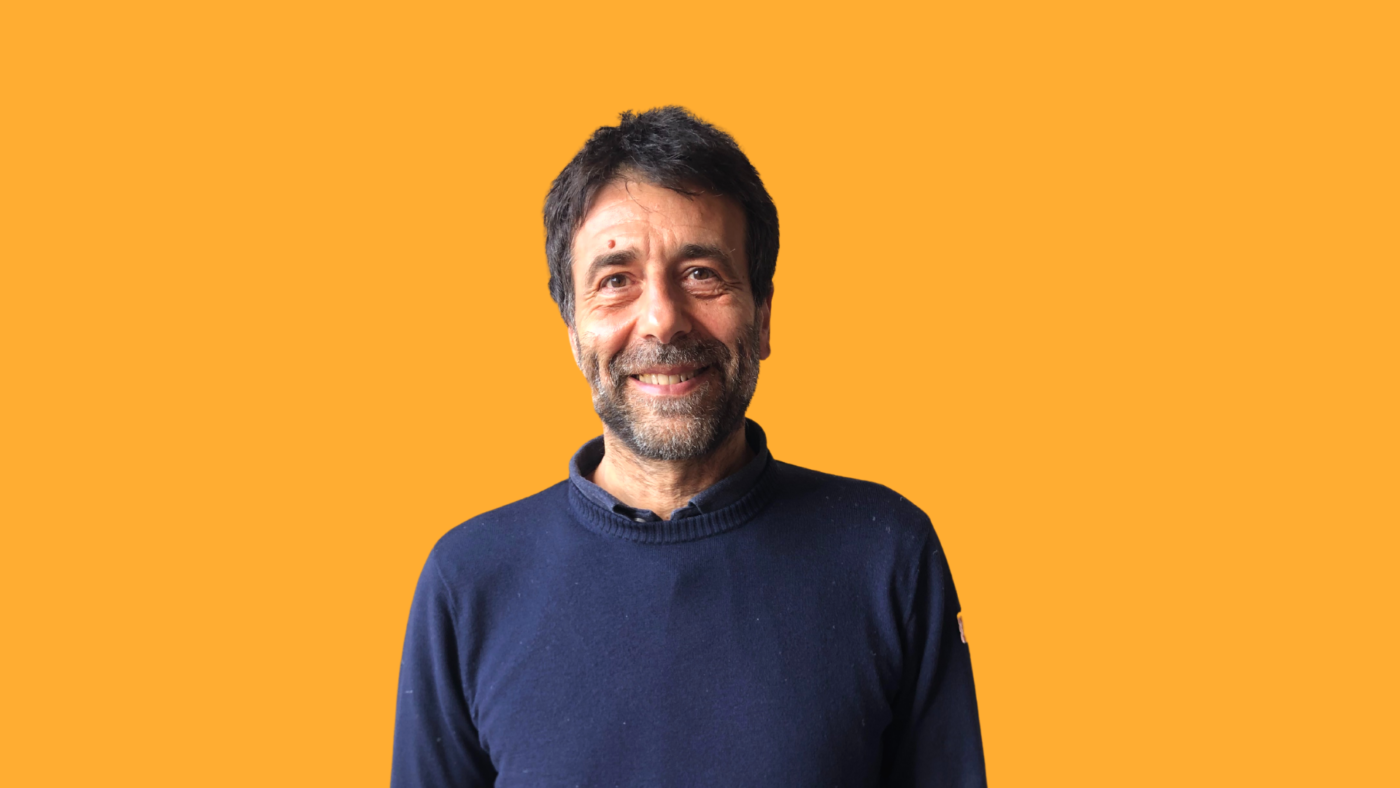

Neurological disorders are the leading cause of disability worldwide, affecting up to 1 billion people globally. No cure has been found yet, and that's why researchers like Luigi Manni are working hard to develop molecules for treatments. Manni is a neuro-pharmacologist and researcher at the National Research Council’s (CNR) Institute of Traslational Pharmacology (IFT). We decided to interview him to find out more.
https://www.youtube.com/watch?v=7oxZk_v41H0
Neuroscientists try to answer questions such as: how do we remember? What are emotions? What is conscience? Finding an answer to these questions may improve in some way our quality of life, help us age in a healthier way, and interact with the outside world in a more natural way.
There are different types of professionals involved with Neuroscience, such as psychologists, neurologists, anatomists, molecular biologists, mathematicians, physicists and experts in behaviour. A neuroscientist cannot be knowledgeable in all these fields. Studying Neuroscience means gain an in-depth knowledge of your niche without losing sight of the bigger picture.
The real limit we haven’t yet managed to overcome is treatment. In the past 10 years, oncology research has produced efficient treatments for cancer. This has not happened for neurological diseases. As of today, it has been estimated that 1 billion people suffer from neurological disorders. Neurological disorders are the leading cause of disability worldwide and this is mainly due to population ageing.
Migraines, neuropathic pain - around 10% of the Italian population is affected by it - and stroke outcomes. Ictus affects around 200,000 patients each year. It’s one of the leading causes of death.
Epilepsies, encephalitis and viral or bacterial meningitis, and cerebral palsy due to either external trauma or abnormal brain development.
First of all, the evolution of the diagnostic criteria. A number of behavioural disorders that until some time ago weren’t falling into this category, now are classified as autism spectrum disorders. However, in most of the cases, we are taking about behaviour rather than nervous system alterations, and these depend on the child’s cognitive and social development. We should therefore ask ourselves what type of stimuli, what type of neuro-development approach we are offering to our children today.
I’m thinking about all the stimuli that lead our children to isolate themselves rather than bring them together, such as mass media and social media. When kids spend an hour or two on Instagram, what happens to our brain is just the same as what happens when taking drugs. The neurochemistry of reward takes place even if nothing physical or emotional has occurred. My mentor used to say that a child should run after a ball, rather than waste time playing video-games or watching cartoons.