Shaping the future of biotechnology: Maria Cristina Balestrucci’s new challenge
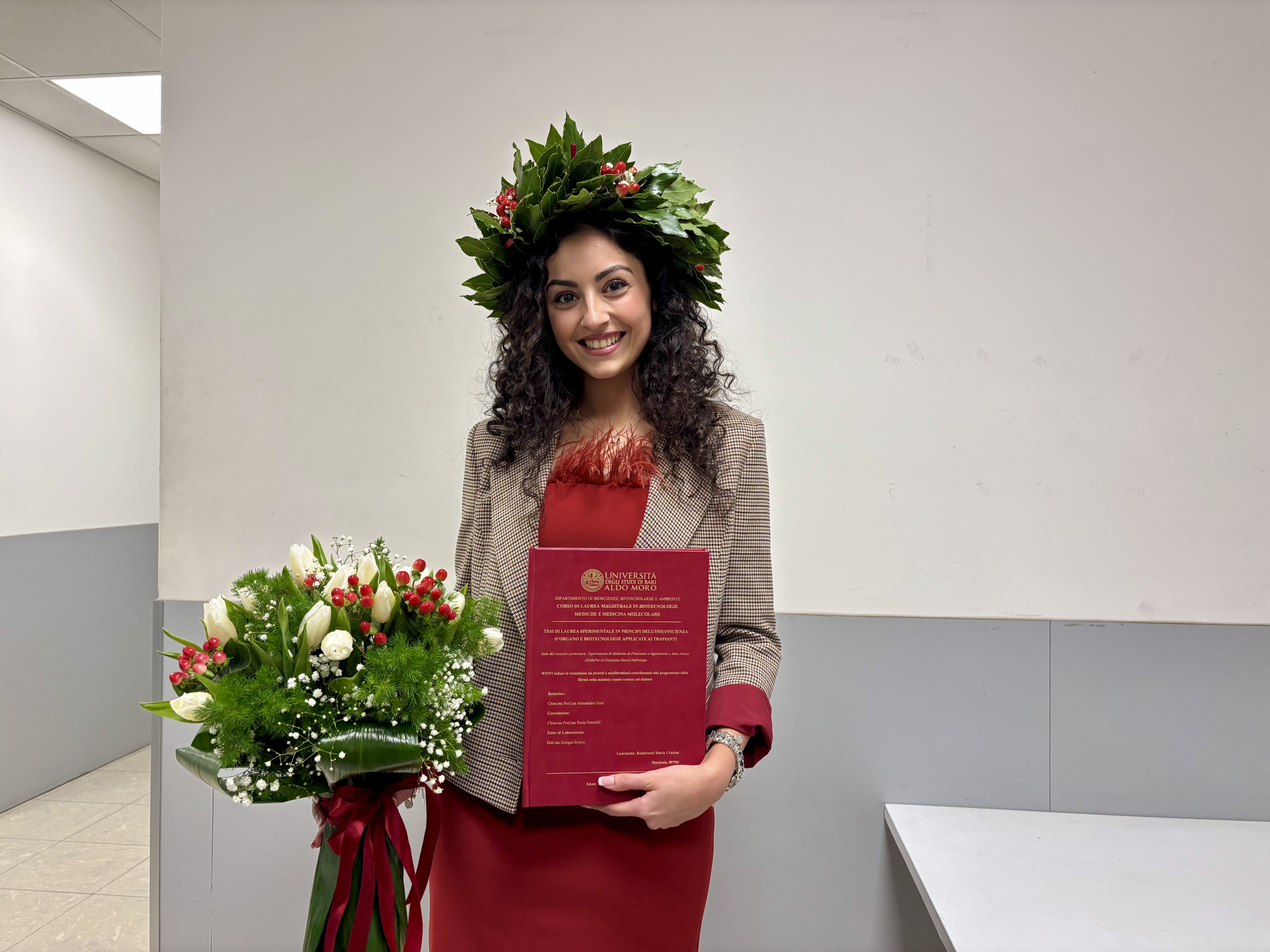
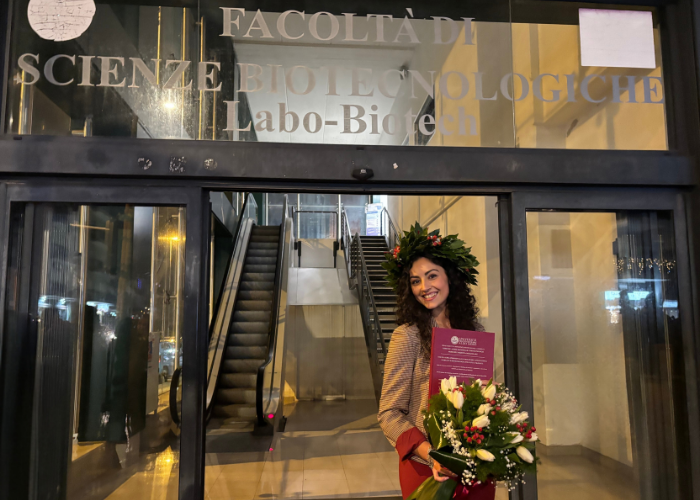
Curiosity that turns into research, determination that becomes achievement. Maria Cristina Balestrucci recently completed her Master’s Degree in Medical Biotechnology and Molecular Medicine at the University of Bari Aldo Moro, supported by the Dompé Foundation. From hands-on lab work and an Erasmus experience in Croatia to her lifelong passion for volleyball, she has built a journey defined by dedication, energy, and a willingness to challenge herself. In this interview, she reflects on the milestones of her academic and personal growth and shares what it means to turn a passion into a career.
Why did you choose the Master’s program in Medical Biotechnology and Molecular Medicine?
After earning my Bachelor’s in Molecular and Biomolecular Sciences and Technologies, I wanted to specialize further in medical biotechnology. I’m fascinated not only by the technological and applied aspects of the field but also by understanding the mechanisms behind diseases, with the hope of contributing to biomedical research in the future. I also value the program’s strong emphasis on hands-on learning—practical experience is essential to turn theoretical knowledge into real skills.
Why is this field of study so relevant today?
Biotechnology is complex, exciting, and essential for scientific and medical progress. Behind every treatment are researchers working tirelessly to understand the molecular processes that drive disease. What I love most about this field is its collaborative nature: knowledge-sharing, ongoing discussion, and teamwork in the lab. When science is shared, it becomes stronger and capable of driving meaningful advances.
Which internship experience did you particularly enjoy?
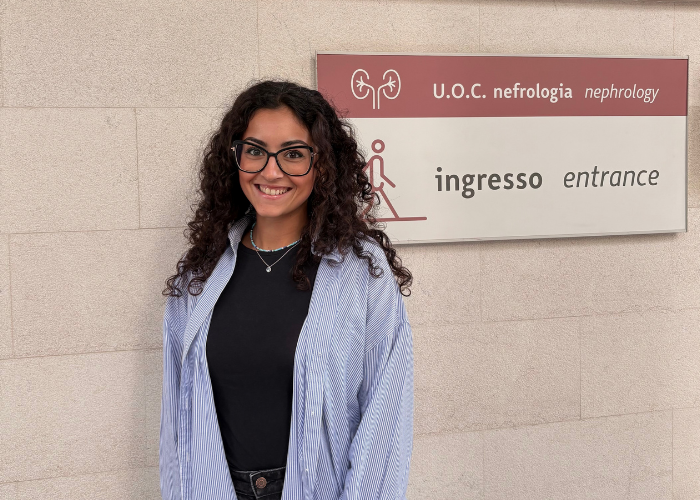
I completed my thesis internship in Nephrology at Bari Polyclinic, where I gained extensive practical experience. My research focused on the E3 ligase enzyme WWP2, both in vivo and in vitro, which is involved in cellular transdifferentiation—a mechanism linked to diabetes and kidney failure. Studying its expression could pave the way for developing future therapeutic targets for diabetes. During this internship, I learned a wide range of lab techniques, including cell culture, stimulations, lysis, extraction, assays, real-time PCR, Western blot, immunofluorescence, electron microscopy, and more.
Can you tell us about a personal achievement you are especially proud of?
One of my proudest experiences was spending six months in Croatia as part of the Erasmus program. It wasn’t easy—choosing the destination, navigating bureaucracy, and planning my courses all came with challenges. Stepping out of my comfort zone in a country with a different language and culture was daunting, but it turned out to be the most incredible adventure of my life. I learned so much, grew as a person, and gained invaluable cultural and personal experiences.
What is your dream job?
After completing my studies, I hope to work for a company dedicated to researching, developing, and producing medicines for major diseases. At the same time, I’m curious about all aspects of biology and biotechnology, and I’m open to exploring different areas to expand my knowledge and skills. I’ve also valued hospital settings, where collaboration between doctors, technicians, and researchers is essential for advancing science.
Who has been your main support during this journey?
I would like to sincerely thank my family, who have always believed in me and supported me in every decision. Their trust and constant encouragement were essential in facing challenges with confidence and pursuing my goals with determination. Their presence allowed me to navigate this journey with motivation and peace of mind, without ever feeling overwhelmed.
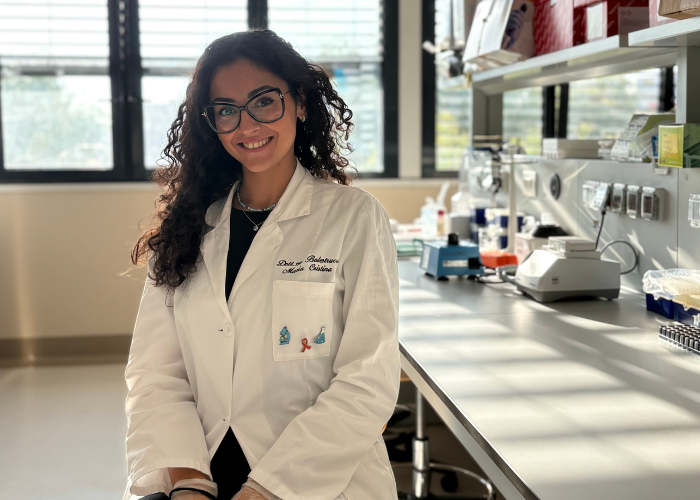
What are your greatest passions?
Sports have always been central to my life. Since childhood, I’ve practiced a range of activities, from dance and athletics to my beloved volleyball. Team sports taught me invaluable lessons: teamwork, discipline, and organization. The structure of training and competitions helped me manage my time as a student, and volleyball also introduced me to lifelong friends. It’s a sport that has shaped me both on and off the court and remains a vital part of my life.
What does receiving the Dompé Foundation scholarship mean to you?
I am deeply grateful to the Dompé Foundation for this recognition. The scholarship is more than an award—it’s an encouragement that validates my academic efforts. Completing a demanding program like biotechnology can be challenging, and this recognition motivated me to give my best and made me proud of what I’ve accomplished. When I applied, I had no expectations, so being selected and receiving the acceptance letter was a wonderful surprise. I encourage students to believe in themselves and to take chances—sometimes the most rewarding opportunities come when we least expect them.
Share this article