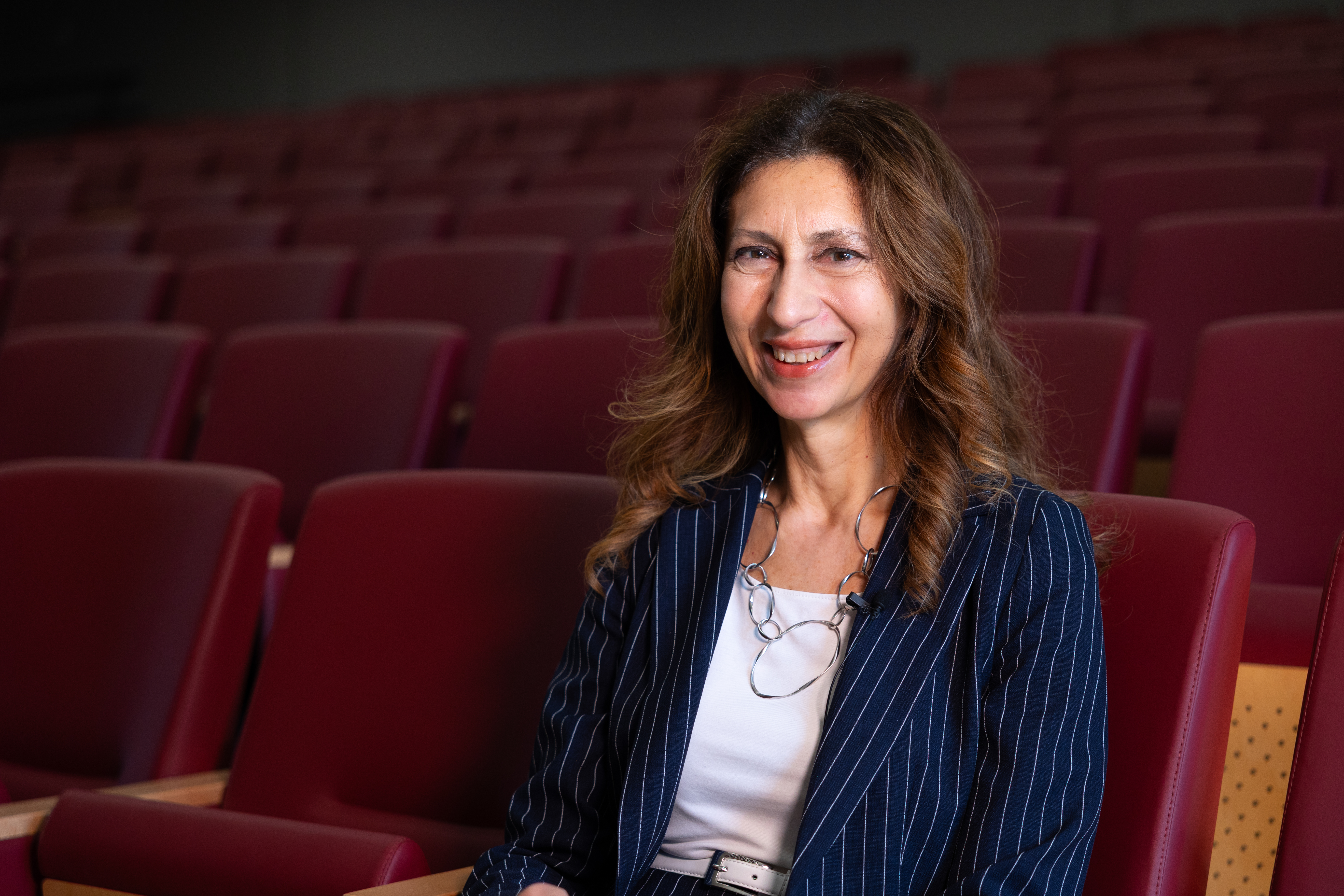
The future of biomedical engineering is multidisciplinary: a conversation with Professor Alessandra Bertoldo
Biomedical engineering is a rapidly evolving field that merges technology and human health. Guiding the new generations of biomedical engineers is Professor Alessandra Bertoldo, Full Professor of Bioengineering at the University of Padua and President of the Integrated Degree Program in Biomedical Engineering and Bioengineering. Through her work, Professor Bertoldo guides students to understand the complexity behind the application of engineering methodologies to biology, physiology, and medicine. In this interview, she reflects on the challenges and opportunities in training the biomedical engineers of tomorrow, the need to align academic programs with emerging trends, and the value of a multidisciplinary approach to prepare students for the ever-changing needs of healthcare and industry.
Could you briefly introduce yourself?
I’m Alessandro Bertoldo, Full Professor of Bioengineering at the University of Padua, and I’m the President of the Integrated Degree Program in Biomedical Engineering and Bioengineering.
Could you describe the Master’s degree in Bioengineering at the University of Padua?
It’s a complex degree program because it reflects the complexity of all the engineering methodologies applied in the fields of biology, physiology, and medicine. We are living in a time when technology is advancing rapidly, and with that, we must constantly evaluate whether the topics we cover are still relevant, whether they need to be updated, or whether we should include subjects that may not seem crucial right now but are likely to become very important in the future.
What’s innovative about the Master’s degree in Bioengineering?
It's easy nowadays to think about methodologies related to artificial intelligence, about what’s needed in the field of biomaterials, or the concept of Digital Twins and personalized medicine. These are all concepts we often hear about, but we also need to make them concrete and put them into practice and this means updating our curriculum every year to reach the ultimate goal: to train high-level engineers who are well-prepared and up to date when they enter the job market.
I also believe this degree is very appealing because of its multidisciplinary environment, which students are naturally drawn into. It’s not just about mastering the core skills of an engineer, but also about acquiring knowledge from different fields. We need to learn how to communicate and to understand the questions and needs that are being asked to us.
What advice would you give to a student who wants to enroll in this Master’s degree?
This is an important multidisciplinary challenge that’s built into the very fabric of this engineering program. After five years, you don’t graduate knowing everything or thinking you can understand everything. Instead, you learn a method, a way of approaching things through the university, and this method must be applied day by day to keep up to date and to grow our skillset.
Share this article